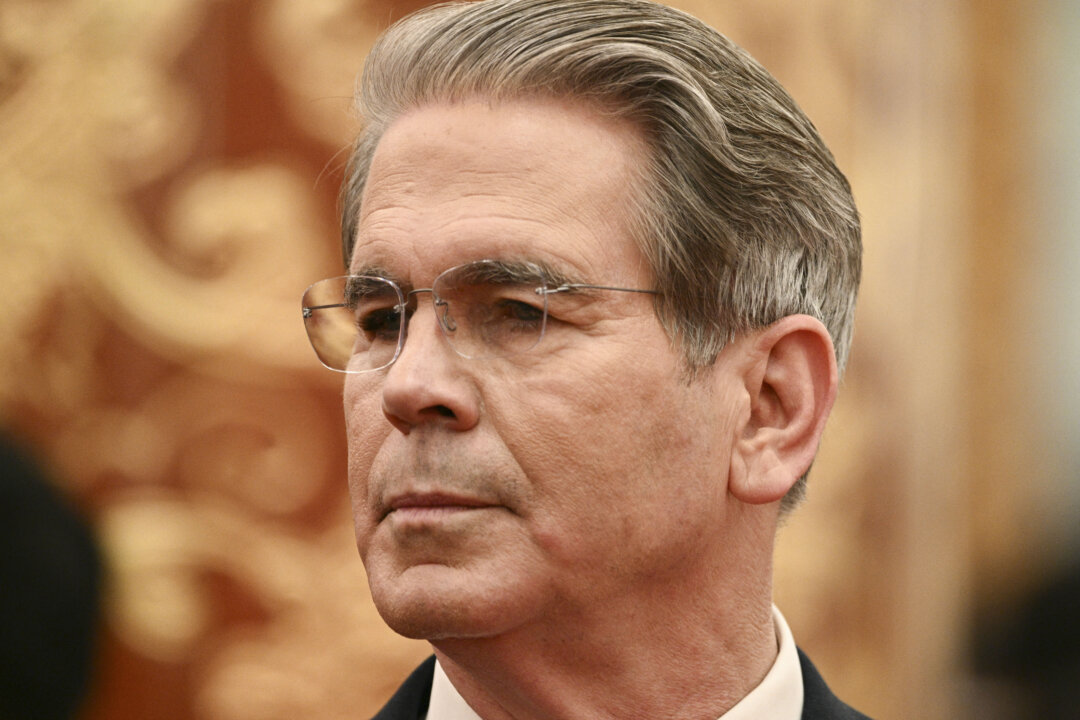
The world's two AI superpowers have agreed to start formal discussions on artificial intelligence safety protocols. Following the Trump-Xi summit in Beijing on May 14, Treasury Secretary Scott Bessent announced that Washington and Beijing will establish a framework for AI best practices and safeguards, marking a significant shift in how the two nations approach AI governance.
What the AI Safety Protocol Covers
The framework being negotiated centers on preventing advanced AI models from "falling into the wrong hands," according to Bessent. This represents a notable departure from the confrontational posture both nations have maintained over AI technology in recent years.
Bessent framed the discussions as an opportunity for the United States to embed "American-led best practices" into emerging global AI standards. His remarks to CNBC were direct: "The reason we are able to have fulsome discussions with the Chinese on AI is because we are in the lead."
The specifics of the protocol remain under negotiation, but the general direction suggests both nations recognize that frontier AI capabilities require some level of coordination, even between strategic competitors. The alternative is a fragmented regulatory landscape where neither side can effectively govern the most powerful AI systems.
The Nvidia H200 Deal That Almost Was
The summit also revealed the complex dynamics of AI chip trade. Nvidia CEO Jensen Huang joined Trump's delegation as a last-minute addition after the president personally invited him. Huang's presence raised hopes for a breakthrough on stalled H200 chip sales to China.
The U.S. Commerce Department has cleared roughly ten Chinese firms to purchase the H200, Nvidia's second-most powerful AI chip. The approved buyers include Alibaba, Tencent, ByteDance, JD.com, Lenovo, and Foxconn. Yet not a single chip has been delivered.
The reason is revealing: despite U.S. approval, Chinese firms have pulled back after receiving guidance from Beijing. China's government appears reluctant to become dependent on American chips that could be cut off again in future disputes. The memory of the 2022-2023 export controls remains fresh.
Trump reportedly negotiated an arrangement under which the U.S. would receive 25% of revenue from the chip sales, with chips passing through U.S. territory before shipment to China. This structure has not resolved the underlying trust deficit.
Why This Matters for the Gulf
For those of us working in AI across the UAE and the broader Middle East, this summit carries direct implications. The Gulf has positioned itself as a neutral ground for AI development, attracting investment from both American and Chinese technology firms. How the U.S.-China AI relationship evolves will shape the opportunities available to regional players.
Several considerations stand out:
Regulatory precedent. Whatever framework emerges from U.S.-China talks will likely influence global AI governance norms. Gulf nations developing their own AI regulations should monitor these discussions closely.
Hardware access. If H200 sales to China proceed, it signals a potential easing of chip restrictions that could benefit other markets. If they remain blocked, alternative supply chains become more attractive.
Safety standards. The emphasis on preventing AI from "falling into the wrong hands" suggests both superpowers are increasingly focused on dual-use risks. Regional AI strategies should incorporate these concerns.
The Bigger Picture
This summit represents pragmatism overcoming ideology. Both nations have spent years treating AI as a zero-sum competition. The acknowledgment that coordination is necessary, even between rivals, suggests the frontier capabilities of current AI systems have forced a reassessment.
Bessent's framing was notable for its candor: "The two AI superpowers are going to start talking. We're gonna set up a protocol in terms of how do we go forward with best practices for AI."
This is not a friendship treaty. It is a recognition that uncoordinated AI development by the world's two largest AI producers creates risks neither can manage alone. The specific risks discussed remain classified, but the urgency is clear.
What Comes Next
The protocol negotiations will take months to produce concrete agreements. In the near term, the H200 chip situation remains unresolved, with both sides waiting for the other to make the first move. Huang told reporters in Beijing that this was "an incredible opportunity to represent the United States" and called the summit "one of the most important in human history."
That may be rhetorical excess. But the fact that AI governance occupied a central position in a superpower summit, alongside traditional concerns like trade and security, tells us something about where technology priorities now sit in global diplomacy.
For AI practitioners and policymakers across the Gulf, the takeaway is clear: the era of fragmented, go-it-alone AI governance is ending. What replaces it is still being written.