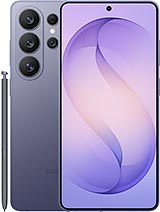
Samsung just unveiled the Galaxy S26 series at Unpacked in San Francisco, and for the first time, I think we are seeing a smartphone that genuinely deserves the "AI phone" label. Not because it has a chatbot built in, but because it introduces agentic AI capabilities that act autonomously on your behalf. This is a meaningful shift from the passive AI assistants we have grown accustomed to.
What Makes Agentic AI Different
The term "agentic AI" has been circulating in enterprise software circles for the past year, but Samsung is bringing it to consumer devices in a tangible way. Traditional smartphone AI responds to commands: you ask a question, you get an answer. Agentic AI observes context, anticipates needs, and takes action across multiple applications without requiring step by step instructions.
The Galaxy S26 integrates multiple AI agents, including Gemini and Perplexity, that can complete multi-step tasks through voice prompts or a dedicated button. When you ask your phone to "find a restaurant near my meeting location and make a reservation for after," the system coordinates across your calendar, maps, and reservation apps. It executes the entire workflow rather than handing you search results to process manually.
For those of us building AI applications, this represents validation of the agentic pattern we have been implementing in enterprise settings. Samsung is betting that consumers are ready for AI that does things, not just AI that answers things.
Now Nudge: Proactive Context Awareness
The feature I find most interesting is Now Nudge. It monitors your active context and surfaces relevant information before you realize you need it. When a friend messages asking for photos from last week's dinner, the system automatically recommends relevant images from your gallery. When someone asks about your evening plans, it checks your calendar, detects scheduling conflicts, and displays a contextual popup with your availability.
This eliminates the constant app switching that fragments our attention. Instead of context being something you have to manually construct (open messages, then calendar, then photos, then back to messages), the phone maintains situational awareness and bridges the gaps.
The privacy implications here are worth noting. Samsung emphasizes that this runs through their Personal Data Engine with data encrypted via Knox Enhanced Encrypted Protection. The system processes context on device rather than sending conversation content to external servers. For users in regulated industries or those simply conscious of data privacy, this architecture matters.
Now Brief: Your Morning Dashboard
Now Brief has evolved from a simple widget to what Samsung calls a "personalized snapshot of your day." It aggregates weather, calendar events, reservations, travel updates, and contextual insights based on your patterns. The system learns your routines and surfaces information when it is most useful.
What makes this different from existing calendar widgets is the contextual layer. If you have a flight tomorrow, it will surface airport traffic conditions and security wait times. If you have a recurring meeting with poor attendance on Fridays, it might note the pattern. This is less about displaying information and more about understanding what information actually matters given your current situation.
Privacy Display: Hardware Security for AI Outputs
The Galaxy S26 Ultra introduces an industry first: a built-in Privacy Display. This is not a software feature but a hardware innovation that controls how pixels disperse light. When enabled, the screen content is visible from your viewing angle but appears obscured from side angles.
This matters more in an agentic AI context than it might seem. When your phone is autonomously displaying sensitive information (calendar details, message previews, reservation confirmations), you want control over who can see that output. Traditional privacy screens are aftermarket accessories that degrade display quality. Samsung has integrated this at the panel level with adjustable intensity.
For business users who review sensitive AI summaries in public spaces, this addresses a real concern about agentic AI outputs being visible to others.
Multi-Agent Architecture
The architectural choice to support multiple AI agents (Gemini, Perplexity, and others) rather than forcing a single assistant reflects a mature understanding of how AI is evolving. Different agents excel at different tasks. A search-focused agent like Perplexity handles research differently than a general purpose assistant like Gemini.
Samsung is positioning the device as a platform where specialized agents can be invoked based on task requirements. This mirrors what we see in enterprise AI deployments, where orchestration layers route requests to appropriate models based on capability matching.
The integration also supports seamless handoffs between agents. You might start a research query with Perplexity, then have Gemini draft a message summarizing the findings. The system maintains context across these transitions rather than requiring you to manually copy and paste between applications.
Implications for the Gulf Region
For practitioners and business leaders in the UAE and broader Middle East, Samsung's approach has specific relevance. The Galaxy S26 supports Arabic language processing with improved natural language understanding. The on-device processing architecture also means that AI capabilities remain functional even in areas with inconsistent connectivity.
The enterprise deployment story is equally important. Samsung Knox provides a security framework that meets compliance requirements for government and financial services. Organizations deploying AI-enabled devices can enforce policies that keep sensitive data on-device while still providing employees with agentic AI capabilities.
Looking Forward
Samsung's Galaxy S26 represents the consumer arrival of agentic AI, a concept that has been building in research and enterprise contexts for the past two years. The question is no longer whether AI should act autonomously on our behalf, but how to implement that autonomy safely and usefully.
The emphasis on on-device processing, privacy controls, and multi-agent architecture suggests Samsung understands that trust is the limiting factor for agentic AI adoption. People will not let AI act on their behalf unless they trust the system with their context.
I will be testing the Galaxy S26 over the coming weeks to see how these features perform in practice. The gap between demo capabilities and daily utility is where most AI features have fallen short. Samsung's track record with Galaxy AI features over the past two generations suggests they understand this challenge. Whether the S26's agentic capabilities deliver on the promise remains to be seen, but the architectural foundations are sound.