The intersection of AI and finance continues to evolve at a rapid pace. Yesterday, Rogo announced a $160 million Series D round led by Kleiner Perkins, bringing their total funding to over $300 million. This is not just another funding announcement. It represents a fundamental shift in how Wall Street and global financial institutions approach AI adoption.
From Chatbots to Autonomous Agents
The financial services industry has experimented with AI for years, but most implementations have been limited to chatbot interfaces and basic automation. Rogo is pushing beyond those boundaries with Felix, their agentic AI system designed specifically for finance professionals.
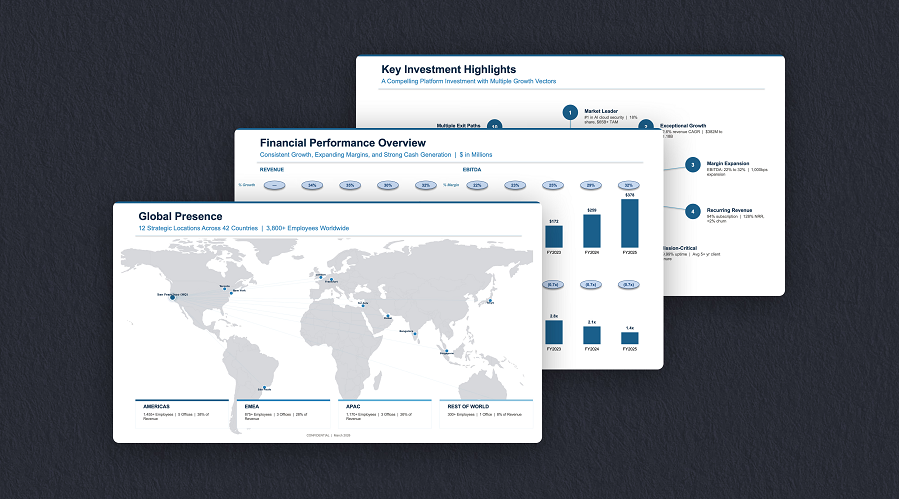
What makes Felix different from a typical AI assistant? The key distinction lies in autonomy. Rather than simply answering questions, Felix executes complex, multi-step financial processes independently. This includes deal screening, confidential information memorandum (CIM) generation, buyer outreach, and data room diligence.
The practical implications are significant. An analyst who previously spent hours compiling comparable company analyses can now send Felix an email request and receive a comprehensive report that integrates data from internal CRM systems and external sources like FactSet. When new data becomes available, Felix automatically updates the relevant reports.
Why This Matters for the Middle East
Financial centers across the Gulf region, including Dubai, Abu Dhabi, and Riyadh, are actively competing to attract global investment banks and asset managers. The technology infrastructure these firms require is increasingly centered on AI capabilities.
With over 35,000 financial professionals at more than 250 institutions already using Rogo, including major players like Rothschild & Co, Jefferies, Lazard, Moelis, and Nomura, the platform has achieved significant market penetration. For regional financial institutions looking to compete with global peers, adopting similar agentic AI tools is becoming less of a competitive advantage and more of a baseline requirement.
The timing aligns with broader trends I am observing across the UAE's financial sector. Sovereign wealth funds and regional banks are increasingly asking how they can deploy AI agents that understand their specific regulatory requirements, deal structures, and client relationships. Rogo's success demonstrates that purpose-built solutions for vertical industries outperform general-purpose AI tools.
The Technical Architecture Behind Agentic Finance AI
Rogo's approach combines several technical elements that are worth examining. Their platform uses custom-trained language models rather than off-the-shelf APIs, allowing for deeper specialization in financial terminology and workflows.
The integration architecture is particularly notable. Felix connects directly with CRM systems, data providers, and internal document repositories. This creates a unified context that enables the agent to understand the full picture of a deal or client relationship rather than operating with fragmented information.
Key capabilities include:
- Automated financial model generation based on comparable company parameters
- Due diligence documentation that pulls from multiple internal and external sources
- Personalized outputs based on the specific role and preferences of each user
- Continuous updates when underlying data changes
This level of integration requires significant engineering investment, which explains both the large funding round and the focus on enterprise customers who can justify the implementation costs.
Investment Implications and Market Dynamics
The participation of major investors like Sequoia, Khosla Ventures, and J.P. Morgan Growth Equity Partners signals strong conviction in the agentic AI category within financial services. This is not speculative early-stage capital. These firms are betting that Rogo's approach represents the future of how financial work gets done.
For AI practitioners and technologists in the region, this creates opportunities in several areas. First, there is growing demand for professionals who can implement and customize these platforms within local regulatory frameworks. Second, the success of vertical-specific AI agents opens doors for similar approaches in other industries prevalent in the Gulf, such as energy, logistics, and real estate.
The competitive landscape is also worth watching. As Rogo scales globally, we should expect to see both direct competitors and incumbents like Bloomberg and Refinitiv accelerating their own agentic AI initiatives.
Looking Forward
The Rogo funding round reflects a broader maturation in enterprise AI. We are moving beyond the phase where companies experiment with AI features toward a phase where AI agents become core operational infrastructure.
For financial institutions in the UAE and across the Middle East, the message is clear: the firms that invest early in agentic AI capabilities will be better positioned to attract global talent, serve sophisticated clients, and compete on the world stage. The technology is no longer experimental. It is production-ready and delivering measurable returns.
I will continue tracking how these platforms evolve and what lessons they offer for AI deployment across other industries in our region.