A significant shift in AI governance is taking shape in the United States. On May 5, the National Institute of Standards and Technology (NIST) announced that Google, Microsoft, and xAI have agreed to submit their unreleased AI models for government evaluation before public deployment. This marks a pivotal moment in the relationship between AI developers and regulators.
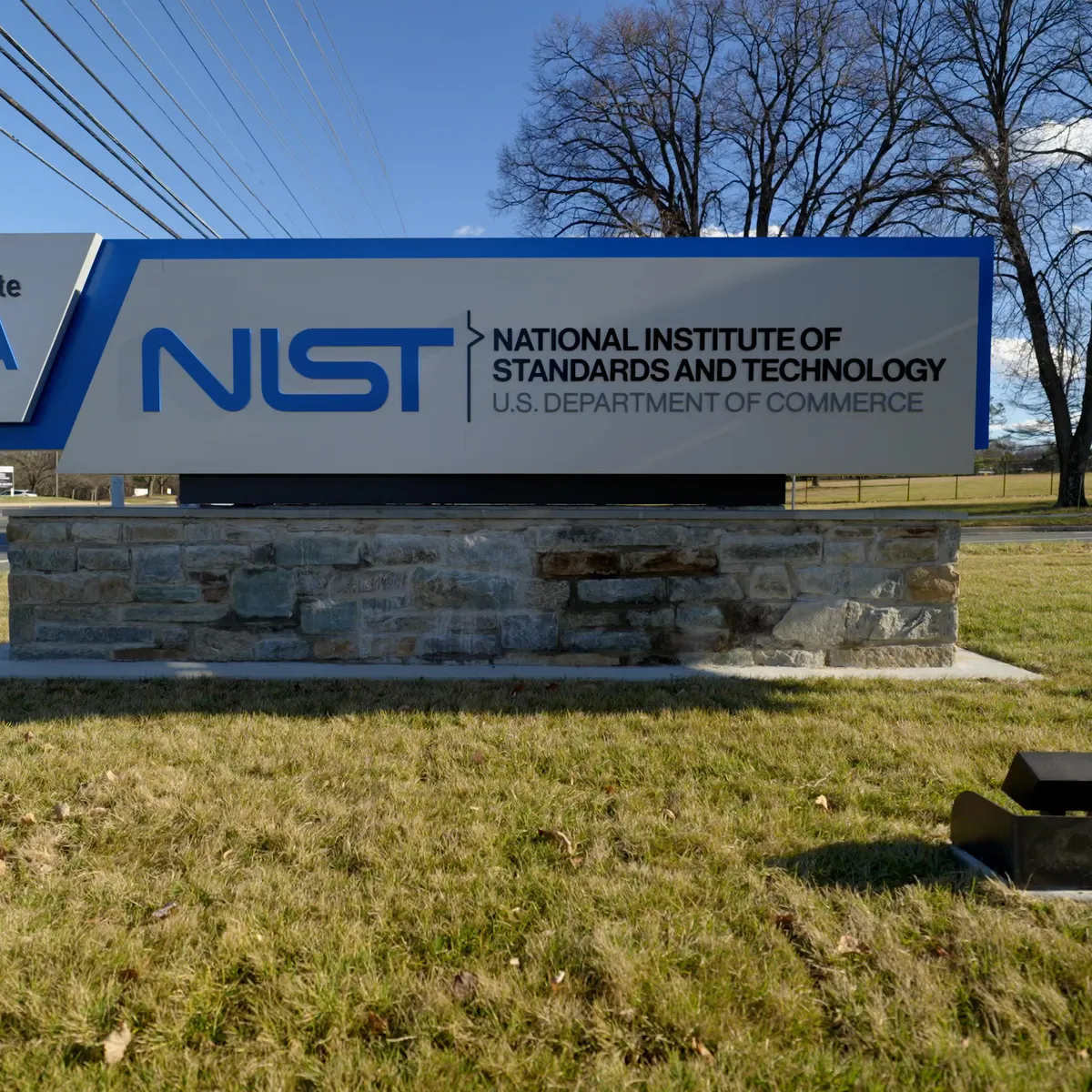
What CAISI Will Evaluate
The Center for AI Standards and Innovation (CAISI), a division of the US Department of Commerce, will conduct independent testing of pre-release AI models. The evaluations focus on three critical risk areas: cybersecurity threats, biosecurity risks, and chemical weapons potential.
Chris Fall, CAISI Director, emphasized the importance of this work: "Independent, rigorous measurement science is essential to understanding frontier AI and its national security implications."
These are not theoretical concerns. The announcement comes weeks after Anthropic's Claude Mythos model raised significant alarm within the AI safety community. That model, developed with autonomous hacking capabilities, pushed concerns about AI's cybersecurity impact to a tipping point and helped prompt the White House to consider formalizing the review process.
A Growing Coalition of AI Labs
Google, Microsoft, and xAI join OpenAI and Anthropic, who established similar arrangements with CAISI nearly two years ago during the Biden administration. The Trump administration has renegotiated those existing partnerships to align with priorities in its AI Action Plan.
With all five major frontier AI developers now participating, CAISI has built what amounts to a comprehensive view into the cutting edge of AI development. The center has already conducted 40 evaluations, including assessments of unreleased state-of-the-art models.
This voluntary framework represents a pragmatic middle ground. Rather than imposing mandatory pre-market approval (which could slow US AI development relative to China), the approach relies on partnership and shared national security interests.
The Technical Evaluation Process
CAISI establishes voluntary agreements with private sector AI developers to conduct pre-deployment evaluations. The center leads unclassified assessments of AI capabilities that may pose risks to national security, focusing on demonstrable rather than speculative threats.
What makes this arrangement particularly significant is the interagency dimension. A task force at CAISI allows officials from across the federal government to test models, including in classified settings. This means defense, intelligence, and law enforcement agencies can evaluate potential risks before these systems reach the public.
For AI practitioners and enterprise buyers, this creates an additional signal of model safety. Models that have passed CAISI evaluation carry implicit government validation on security dimensions, though this is distinct from endorsement for commercial purposes.
Implications for Global AI Governance
The US approach contrasts sharply with European regulation. While the EU AI Act imposes prescriptive compliance requirements (with deadlines recently pushed to 2027 for high-risk systems), the American model emphasizes voluntary partnerships and targeted risk assessment.
For organizations operating across both jurisdictions, including many UAE enterprises with global operations, this means navigating two distinct regulatory philosophies. The EU approach mandates compliance documentation and third-party conformity assessments. The US approach focuses on pre-release security testing by government experts.
Neither approach is clearly superior. The EU provides more predictability through explicit rules. The US approach offers flexibility and potentially faster iteration, but with less clarity on what "passing" evaluation actually means.
What This Means for Practitioners
Several practical implications emerge from this development:
Enterprise AI procurement becomes more complex. When evaluating frontier models, security teams should now consider whether a model has undergone CAISI review. This may become a factor in vendor selection for government contractors and regulated industries.
Model release timelines could be affected. While the agreements are voluntary, major labs may delay releases to complete CAISI evaluations, particularly for models with significant capability jumps. This could create windows where Chinese models reach market faster.
Transparency expectations are rising. Even though CAISI evaluations are not public, the existence of this process creates pressure for labs to disclose more about their internal safety testing. Customers increasingly expect to understand what red-teaming a model has undergone.
A Maturing Industry
The willingness of Google, Microsoft, and xAI to submit to government evaluation signals that the frontier AI industry is maturing. The "move fast and break things" era is giving way to more deliberate deployment practices, at least for the most capable systems.
This is not altruism. These companies recognize that a major AI-enabled cyberattack or biosecurity incident could trigger far more restrictive regulation. Voluntary pre-release review is a strategy to maintain credibility with policymakers while preserving operational flexibility.
For those of us working in AI deployment across the UAE and Middle East, this development reinforces a global trend: the days of deploying frontier AI capabilities without robust governance frameworks are ending. Whether through US-style voluntary partnerships, EU-style regulation, or regional approaches like Saudi Arabia's emerging AI governance standards, organizations must build compliance and risk assessment into their AI strategies from the start.
The question is no longer whether AI will be regulated, but how. CAISI's expanding partnerships suggest the American answer: collaborative oversight focused on the most consequential risks. Time will tell if this model proves sufficient for the challenges ahead.
---
Sources:
- Cybersecurity Dive: NIST will test three major tech firms' frontier AI models for cybersecurity risks
- SiliconANGLE: Google, Microsoft and xAI agree to allow government safety checks of AI models prior to release
- Washington Post: NIST will review new AI models from Google, Microsoft, xAI before release
- CNBC: Trump admin moves further into AI oversight