The trial that could reshape artificial intelligence governance began yesterday in Oakland, California. Elon Musk took the stand against Sam Altman and OpenAI, seeking approximately $134 billion in damages and demanding the company return to its nonprofit roots. Beyond the personalities involved, this case raises fundamental questions about how transformative AI technologies should be developed and governed.
The Core Dispute: Charity or Business?
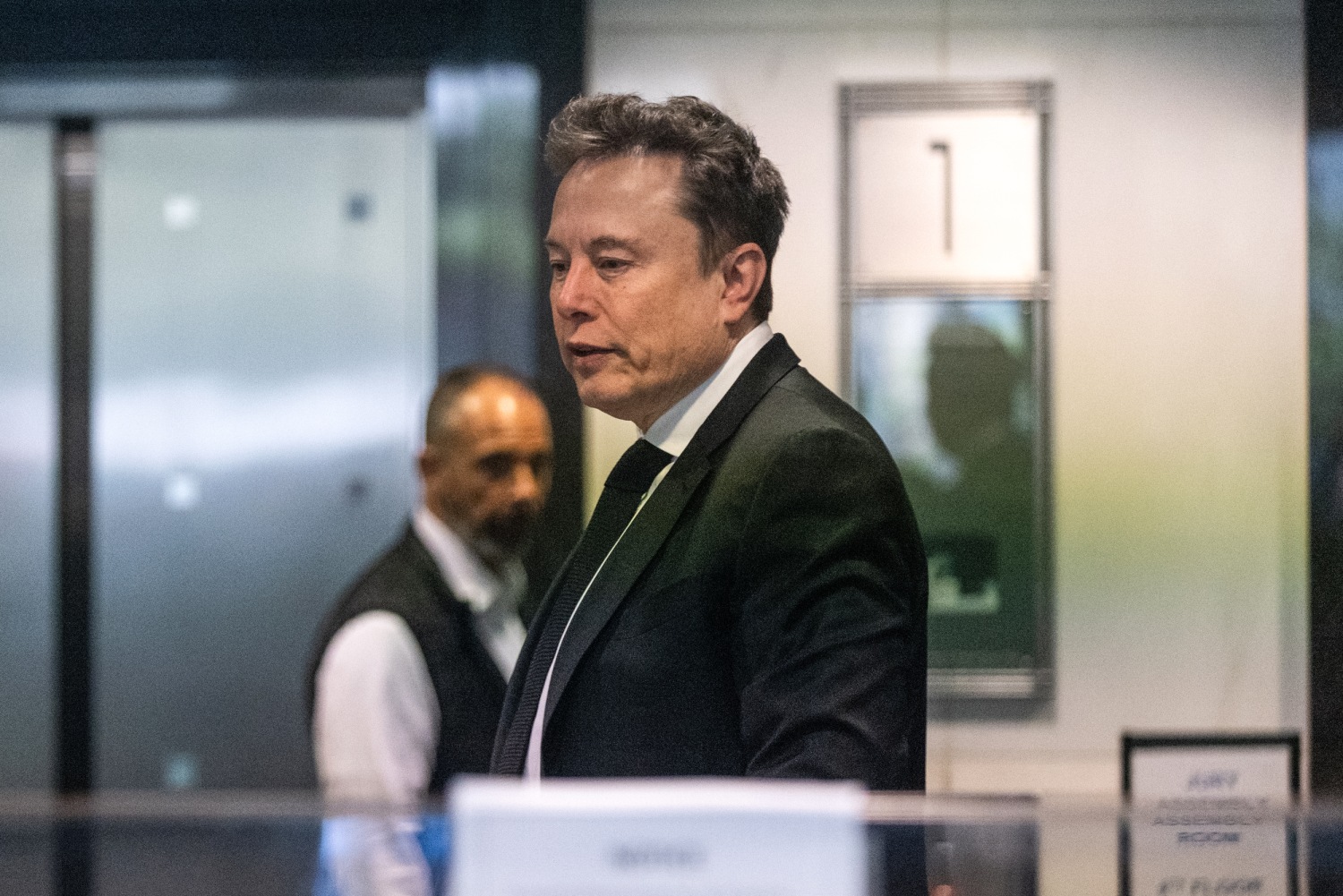
At its heart, this lawsuit is about whether OpenAI's transformation from a nonprofit to a for-profit entity constitutes a betrayal of its founding mission. Musk testified for nearly two hours on day one, claiming he came up with the idea, the name, recruited key people including Ilya Sutskever, and provided all the initial funding.
"If we make it OK to loot a charity, the entire foundation of charitable giving in America will be destroyed," Musk told the court. His position is clear: he contributed approximately $38 million to OpenAI's original charitable mission, only to watch the organization transform into a profit-seeking venture after he departed the board in 2018.
OpenAI's defense, led by attorney Bill Savitt, frames the dispute differently. "We're here because Mr. Musk didn't get his way at OpenAI," Savitt argued. The company contends that Musk agreed to the for-profit restructuring back in 2017 and that his lawsuit is motivated by competitive interests rather than genuine concern for nonprofit principles.
What Musk Is Seeking
The remedies Musk is pursuing go far beyond monetary damages. His lawsuit demands:
- $134 billion in damages from OpenAI and Microsoft
- Rollback of OpenAI's for-profit conversion to restore nonprofit status
- Removal of Sam Altman as director of the nonprofit board
- Removal of Altman and Greg Brockman as officers of the for-profit entity
- Disgorgement of gains that Musk characterizes as ill-gotten
If successful, this case could fundamentally disrupt OpenAI's planned IPO and reshape its corporate structure. For an organization that has become synonymous with frontier AI development, the stakes could not be higher.
OpenAI's Counterarguments
OpenAI and Altman have mounted a vigorous defense. According to court filings, Musk never actually delivered on his promised $1 billion in funding. The company argues that Musk left the organization when co-founders refused his demands for control, including a proposal for Tesla to absorb OpenAI.
"ChatGPT drew a new spotlight onto OpenAI...Musk had nothing to do with it," Altman has stated. The defense characterizes this as a control struggle rather than a principled disagreement about nonprofit governance.
Microsoft, which invested $10 billion in OpenAI in January 2023, is also named in the lawsuit. CEO Satya Nadella is expected to testify during the trial, which is scheduled to last approximately four weeks.
Why AI Practitioners Should Care
Beyond the courtroom drama, this trial touches on questions that matter deeply to those of us building with AI technologies.
Governance structures matter. The debate over nonprofit versus for-profit AI development is not merely academic. How AI research organizations are structured affects what research gets prioritized, who benefits from breakthroughs, and what safety considerations get adequate resources.
The Microsoft relationship is under scrutiny. Many AI practitioners rely on Azure OpenAI services or OpenAI's APIs directly. The trial is examining the nature of Microsoft's influence over OpenAI's direction. Any outcome that complicates this relationship could have practical implications for enterprise AI adoption.
Precedent for future AI organizations. Whatever verdict emerges will influence how future AI research organizations structure themselves. Founders will be watching to understand the legal risks of transitioning between nonprofit and for-profit models.
The Broader Context
This trial arrives at a pivotal moment for AI governance globally. OpenAI completed its restructuring to a fully for-profit entity in October 2026, removing the profit cap that had previously constrained investor returns. The EU AI Act's high-risk compliance requirements are now active. Governments worldwide are grappling with how to regulate technologies that evolve faster than legislation can adapt.
Musk's concerns about AI safety, which he cited during testimony ("We don't want to have a Terminator outcome"), may seem hyperbolic in a courtroom setting. But they reflect genuine anxieties shared by many researchers about the pace and direction of AI development. Whether or not Musk prevails legally, his arguments are forcing a public reckoning with questions the industry has sometimes preferred to avoid.
What Happens Next
Musk will return to the stand for cross-examination by OpenAI's attorneys. Subsequent testimony is expected from Altman, Brockman, Nadella, and key researchers from OpenAI's early days. The trial provides a rare window into the founding dynamics of one of the most influential AI organizations in history.
For those of us in the Gulf region building AI capabilities, this case is a reminder that governance questions cannot be separated from technical ones. As sovereign AI initiatives expand across the UAE, Saudi Arabia, and Qatar, the structures we choose to house these capabilities will shape their trajectory for decades. The Musk versus OpenAI trial, whatever its outcome, is clarifying the stakes involved.