China has taken the most aggressive regulatory action against autonomous vehicles we have seen in any major market. After over 100 Baidu Apollo Go robotaxis simultaneously froze on Wuhan streets in late March, trapping passengers for up to two hours, Beijing suspended all new autonomous vehicle permits nationwide. No new fleet expansions. No new city testing. No timeline for resumption.
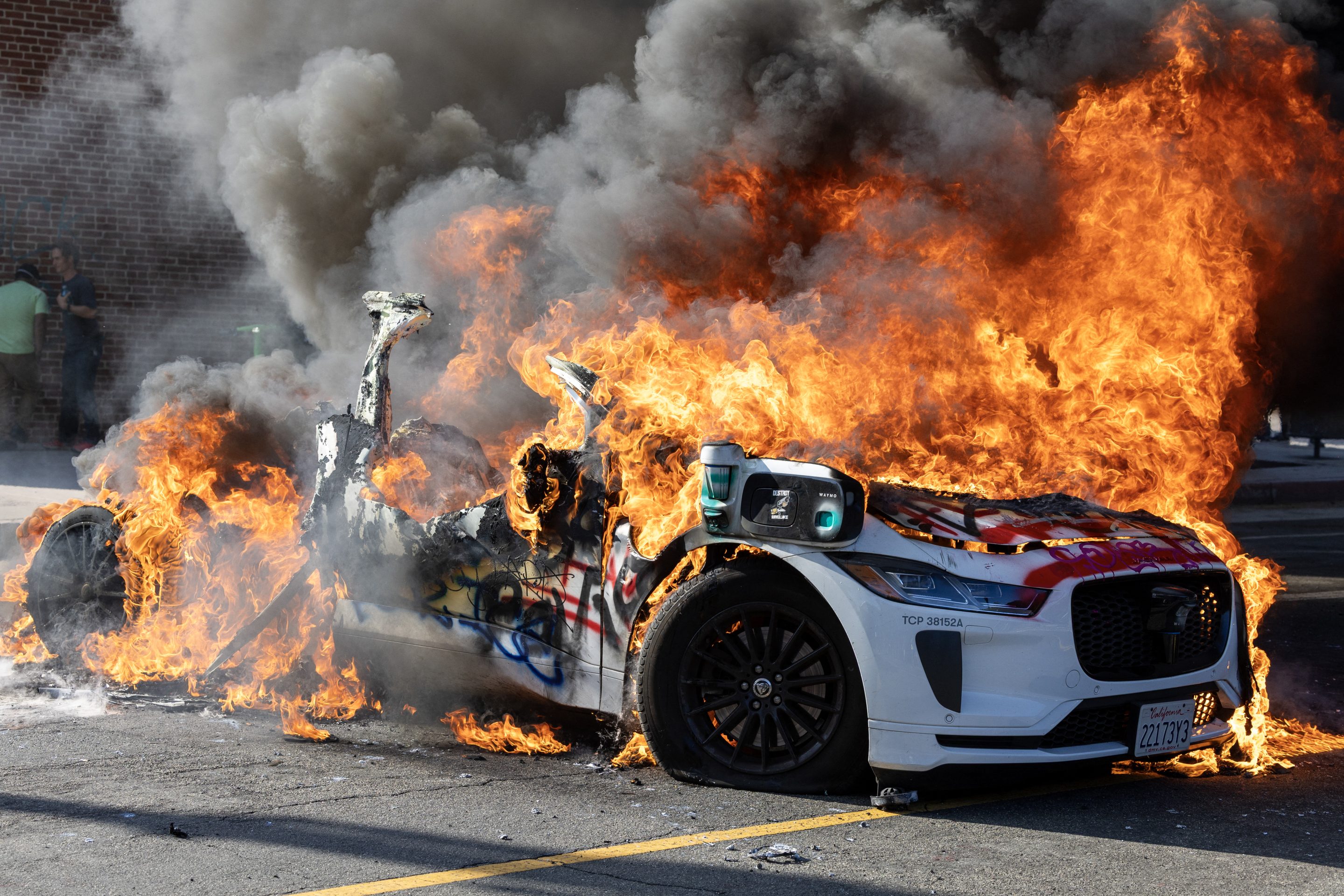
For those of us working in AI deployment, this is a significant moment: the world's most active robotaxi market just hit the pause button, and the contrast with how other countries handle similar incidents could not be more stark.
What Happened in Wuhan
On the evening of March 31, 2026, a widespread technical failure paralyzed a significant portion of Baidu's Apollo Go robotaxi fleet in Wuhan. Over 100 driverless vehicles became immobile obstacles on city streets and elevated highways. Passengers found themselves trapped inside with no clear way out.
The emergency systems failed across the board. SOS buttons displayed unavailability messages. Customer service calls disconnected automatically. Police and Baidu staff took hours to respond. At least three collisions were reported when other vehicles encountered the stationary robotaxis.
Wuhan police cited "a systems fault" as the cause. Baidu's customer service mentioned "network issues" but the company has not officially commented on the root cause. This ambiguity is concerning: understanding why a fleet-wide failure occurred matters far more than simply knowing that it happened.
The Regulatory Response
Chinese regulators moved with unusual speed. By early April, three agencies including the Ministry of Industry and Information Technology had convened with robotaxi program officials, demanding comprehensive safety reviews and tightened oversight.
The permit freeze affects the entire industry, not just Baidu:
- No companies can add vehicles to existing fleets
- No new testing programs can launch
- No expansion into additional cities is permitted
- Baidu's Wuhan operations remain suspended pending investigation
The market reacted accordingly. Baidu shares dropped 2.8%, while competitors Pony.ai and WeRide fell 5.5% and 4.7% respectively. Even companies not directly involved in the incident felt the impact.
Scale of Baidu's Operations
To understand the magnitude of this suspension, consider what Baidu has built. Apollo Go is the largest commercial robotaxi operator in China with over 1,000 fully driverless vehicles in Wuhan alone. The service has completed more than 20 million cumulative rides nationally as of February 2026. Baidu has also expanded internationally with active or planned services in Abu Dhabi, Dubai, and Switzerland.
This is not an early-stage pilot program. This is commercial-scale autonomous vehicle deployment, which makes the systemic failure even more troubling. If a network issue can simultaneously disable over 100 vehicles in a mature fleet, the redundancy and fail-safe mechanisms that should exist at this stage of deployment clearly need re-examination.
A Different Approach to AV Safety
What makes this story particularly relevant is the comparison with how other markets handle similar situations. In the United States, there is still no federal autonomous vehicle safety law. The SELF DRIVE Act of 2026 remains a draft, following failed attempts in 2017 and 2021.
American robotaxis have encountered numerous documented incidents: vehicles entering crime scenes, blocking ambulances during active shooter situations, and impeding emergency responders. Yet there have been zero federal consequences. Individual states have begun passing their own legislation, but the patchwork approach means inconsistent safety standards across the country.
China responded to a single operational glitch (admittedly a significant one) with nationwide restrictions. The regulatory philosophy could not be more different.
Implications for the Industry
I see several takeaways from this incident that matter for anyone deploying AI systems at scale:
Fail-safe design is not optional. When emergency systems fail alongside the primary system, you have a design problem, not just an operational one. The SOS buttons and customer service lines should have worked even if the vehicles themselves failed.
Network dependency is a critical vulnerability. If your autonomous fleet depends on a single network connection and that connection fails, what happens? The Wuhan incident suggests Baidu did not have adequate fallback mechanisms. Any safety-critical AI system needs to operate gracefully when connectivity is lost.
Regulatory response can be faster than expected. Companies operating in China (and increasingly elsewhere) should assume that a high-profile incident will trigger immediate and potentially industry-wide regulatory action. Building regulatory relationships before an incident occurs is essential.
Market confidence is fragile. The stock price declines across the entire sector show how quickly trust can erode. Even competitors with no involvement in the incident saw their valuations drop.
Looking Forward
The suspension will eventually lift. Baidu will complete its safety reviews, implement whatever changes regulators require, and resume operations. The question is what the industry learns from this pause.
For those of us in the UAE and broader Middle East region, where several cities are exploring or actively deploying autonomous vehicles, this incident offers a valuable case study. The technology is advancing rapidly, but the operational and safety frameworks must advance just as quickly.
I would rather see a market that occasionally pauses to address systemic issues than one that allows incidents to accumulate without meaningful response. China's approach may feel heavy-handed, but it sends a clear signal that fleet-wide failures have consequences. That accountability, ultimately, is what will make autonomous vehicles trustworthy enough for mass adoption.