In a move that surprised many in the AI community, Anthropic announced this week that it has secured full access to SpaceX's Colossus 1 data center in Memphis, Tennessee. The deal gives Anthropic over 300 megawatts of compute capacity across more than 220,000 NVIDIA GPUs, and the immediate benefit for users is clear: doubled rate limits for Claude Code across all paid tiers.
What the Deal Includes
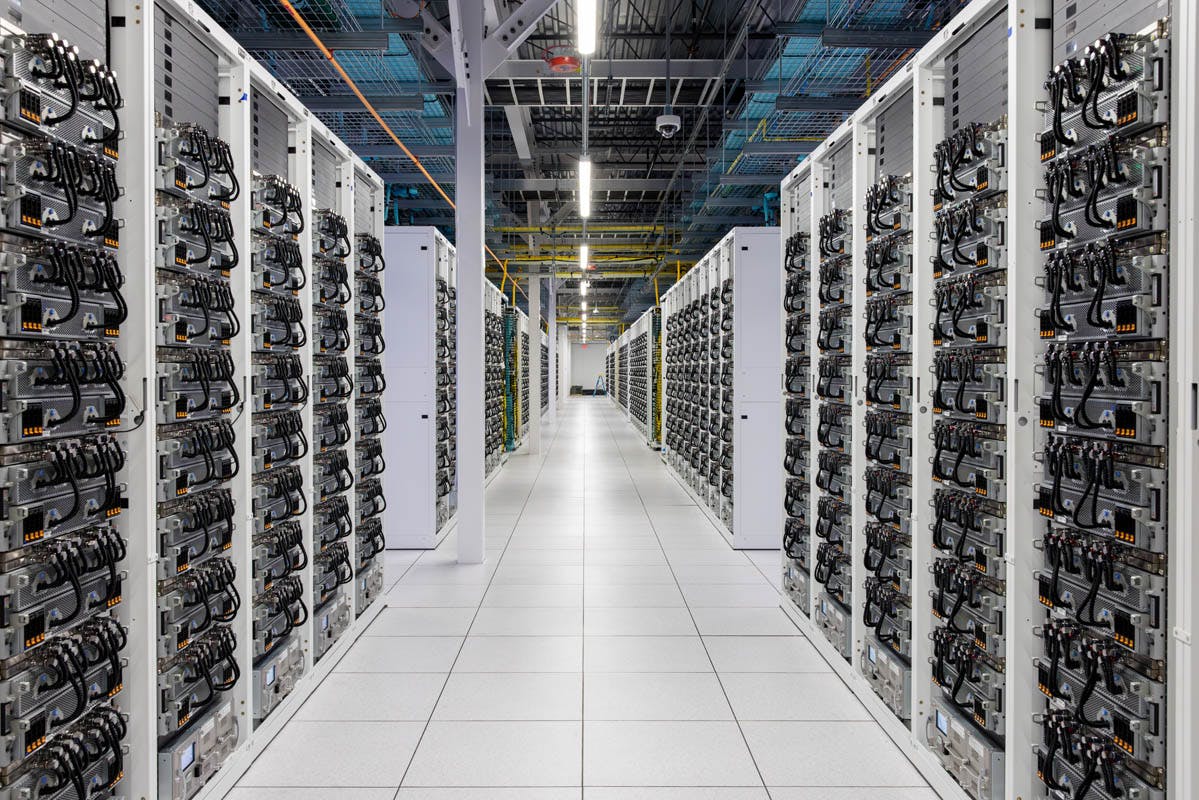
The partnership, announced on May 6, 2026, represents one of the largest compute capacity agreements in AI history. Colossus 1, originally built to power Elon Musk's xAI venture and its Grok models, sits in a converted 785,000 square foot former Electrolux factory. The facility was famously constructed in just 122 days and houses a formidable array of hardware: dense deployments of H100, H200, and next-generation GB200 accelerators.
Within one month of the announcement, Anthropic will begin using 100 percent of Colossus 1's compute. The infrastructure specs are staggering: 194 petabytes per second of total memory bandwidth, 3.6 terabytes per second of network bandwidth per server, and more than 1 exabyte of storage capacity.
Immediate Impact on Claude Users
For those of us who rely on Claude Code daily, the practical benefits are significant. Three changes took effect immediately:
- Claude Code rate limits doubled for Pro, Max, Team, and seat-based Enterprise plans (within the five-hour window)
- Peak hours restrictions removed for Claude Code on Pro and Max accounts
- API rate limits increased for Claude Opus models
If you have been hitting rate limits during intensive coding sessions, this is a meaningful improvement. The removal of peak-hour restrictions is particularly welcome for developers in regions where working hours overlap with high-demand periods in the US.
The Unusual Partnership
What makes this deal fascinating is its parties. Elon Musk has been publicly critical of Anthropic's leadership and positioning in the AI safety debate. Yet here we are, with SpaceX (which now controls the Colossus facilities following the SpaceX-xAI merger) providing infrastructure to one of Musk's most vocal competitors.
Musk reportedly stated he was "impressed" with the Anthropic team, but added a characteristically provocative caveat: "We reserve the right to reclaim the compute if their AI engages in actions that harm humanity."
This pragmatism reflects a broader shift in the industry. Compute capacity has become such a strategic bottleneck that ideological differences take a backseat to business realities. When you have 220,000 GPUs sitting in Memphis and a company willing to pay for access, deals get done.
Looking Toward Orbital Compute
Perhaps the most intriguing aspect of the announcement is what comes next. Both companies have expressed interest in developing "multiple gigawatts of orbital AI compute capacity," potentially leveraging SpaceX's planned satellite constellation. While this sounds like science fiction, the logic is sound: space-based data centers could access continuous solar power, benefit from natural cooling, and avoid terrestrial power grid constraints.
For now, this remains speculative. But given SpaceX's track record of turning ambitious infrastructure plans into reality, I would not dismiss it as mere PR.
What This Means for the AI Industry
The Anthropic-SpaceX deal signals several important trends:
Compute partnerships are becoming more fluid. The traditional boundaries between competing AI labs are blurring when it comes to infrastructure. We may see more cross-company compute agreements as the industry matures.
Data center capacity is the new strategic asset. Anthropic has also recently secured compute agreements with Amazon and Google. The company is clearly diversifying its infrastructure sources, reducing dependence on any single provider.
Rate limits are a competitive battleground. By immediately passing compute gains to users through higher rate limits, Anthropic is making a statement about prioritizing developer experience. This puts pressure on competitors to match or exceed these limits.
Implications for the Region
For those of us working on AI initiatives in the UAE and broader Middle East, this deal reinforces an important point: access to compute is becoming as critical as access to talent or capital. The Gulf region's investments in AI infrastructure, from sovereign data centers to partnerships with major cloud providers, are strategic necessities, not luxuries.
The global AI infrastructure race is accelerating. Deals like this one show that even well-funded labs like Anthropic need to aggressively secure compute capacity. For organizations building AI capabilities in our region, the lesson is clear: infrastructure planning cannot be an afterthought.
The Bottom Line
The Anthropic-SpaceX partnership represents more than doubled rate limits for Claude Code users. It marks a maturing of the AI industry, where compute capacity flows to those who can use it effectively, regardless of corporate rivalries. For developers and enterprises relying on Claude, the immediate benefits are tangible. For the industry as a whole, this deal may be remembered as an early example of the pragmatic infrastructure partnerships that will define the next phase of AI development.
If you are a Claude Code user, enjoy the doubled limits. And keep an eye on those orbital compute announcements. The future of AI infrastructure may be stranger than we expect.